talha
talha 
Driving in Morocco: Tips for a Safe and Enjoyable Experience
Morocco is an extraordinary country to explore by car—coastal roads, desert trails, mountain passes, and buzzing cities. But before you hit the road, it’s important to understand local driving laws and customs. At Kree.ma, we not only offer reliable car rental in Morocco, we also want you to drive safely and confidently.
This guide offers essential driving tips for Morocco so you can enjoy your journey stress-free.
—
1. Drive on the Right Side
In Morocco, like most of Europe, you drive on the right side of the road. The steering wheel is on the left, and overtaking is done from the left.
🖼 Suggested Image: Car on a right-hand lane with Moroccan road signs
🖼 Alt Text: Driving on the right side of the road in Morocco
—
2. Speed Limits & Traffic Laws
Speed limits in Morocco are as follows (unless signs indicate otherwise):
-
60 km/h (37 mph) in cities
-
100 km/h (62 mph) on open roads
-
120 km/h (75 mph) on highways
Tip: Radar speed traps are common—especially near cities. Always follow posted signs.
—
3. Roundabouts & Priorities
Many intersections use roundabouts. Yield to traffic already in the circle. Locals may drive assertively, so be cautious but confident.
🖼 Suggested Image: Moroccan roundabout with visible signage
🖼 Alt Text: Navigating a roundabout in Morocco safely
—
4. Watch for Pedestrians & Donkeys
In rural areas, you might encounter:
-
Pedestrians walking along the highway
-
Donkeys, camels, or bicycles sharing the road
-
Herds of sheep or goats near villages
Drive slowly when passing through towns or countryside.
—
5. Road Conditions Vary
-
Highways and major roads are generally in excellent condition.
-
Rural and desert roads may have potholes or be unpaved.
-
Avoid driving at night in remote areas due to low visibility and animals on the road.
🖼 Suggested Image: Road trip vehicle driving through scenic but rough terrain
🖼 Alt Text: Navigating variable road conditions in Morocco
—
6. Fuel Availability
Fuel stations are frequent in cities and on highways but sparse in remote regions like the Sahara. Always fill up before heading into the mountains or desert.
Fuel types:
-
Essence (Gasoline)
-
Diesel (Common in rental vehicles)
—
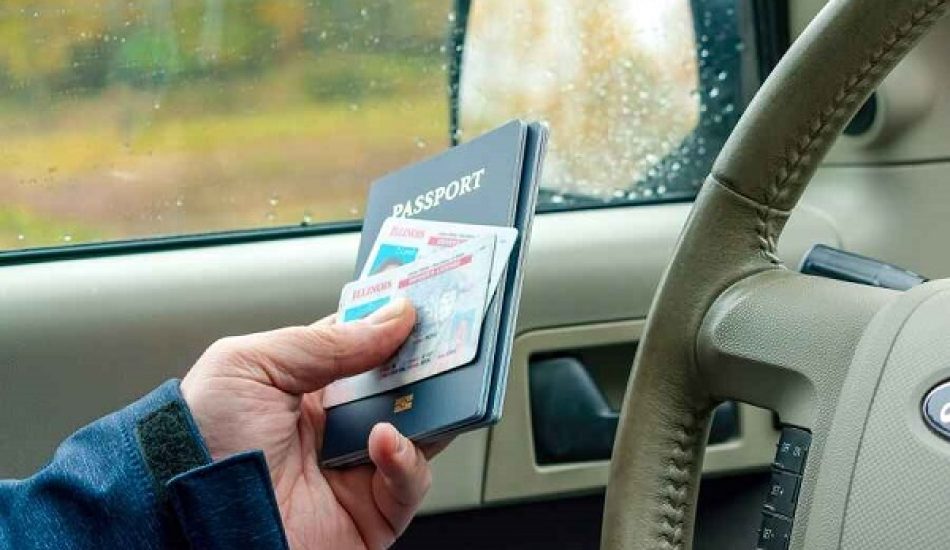
7. Police Checkpoints Are Normal
Checkpoints are common and usually friendly. Carry your:
-
Passport
-
Driver’s license (and international permit if needed)
-
Vehicle papers (provided by Kree.ma)
Be polite, and you’ll be on your way in minutes.
—
8. Parking Tips
In major cities like Marrakech or Casablanca:
-
Paid street parking is monitored by “parking guards” wearing vests
-
Use guarded lots when available for security
-
Avoid blocking entrances or parking on sidewalks
—
9. Navigation & Apps
Use apps like:
-
Google Maps (mostly accurate)
-
Maps.me (great for offline use)
-
Waze (good for real-time traffic)
Kree.ma also offers GPS as an add-on in most vehicles.
—
10. Emergency Numbers
-
Police: 19 (landline), 112 (mobile)
-
Fire: 15
-
Ambulance: 150
-
Kree.ma Support: Available 24/7 (📞 number provided in your booking confirmation)
—
Final Thoughts
Driving in Morocco is a unique experience—and with a little preparation, it’s an incredibly rewarding one. Kree.ma ensures you have a clean, reliable rental car and all the local tips you need to stay safe.
So buckle up, follow these driving tips, and get ready to explore Morocco your way.
🚗 Book your car rental in Morocco today: https://kree.ma